Wizard Brew – a chaotic potion crafting mini game. And my First game!
Wizard Brew is a mini game and my first game, released on 13th October 2024. Intended as a May game jam, it was a simple idea that should’ve taken a month. But as my first game project, having very little experiance with coding and making games, it ended up taking 5 and a half months of my spare time.
I have no regrets (lol).
I’d started learning code the year before, with an introductory course. I seemed to be doing particularity well at understanding how to code – or rather how code works.
Even with practical tests at the end of the course sections, it still felt at arms length. Why? Because I wasn’t implementing the code to be functionally part of something. Like how code controls something external or how code interacts with each other. Although there’s a dozen different coding languages, I’d originally started with C++. I figured it was the most practical and could cross over to different applications if needed.
I’d looked into GameMaker in the past and had even done a tutorial in Unity. But motivation came just after the whole controversial news that Unity was implementing a fee structure change. Meaning it would affect games made since it’s inception, including games that weren’t as successful. Forcing developers to give extra money, which the community thought Unity wasn’t entitled too. Like a backdated fee you didn’t agree to when you started and published your game / project.
The indie community started to move away from Unity, picking other game engines to make their projects or move over half finished projects. One of those popular options was Godot, an open source engine released in 2014. Which is what I decided to use.
The engine is quite robust, hosting a wide range of features, including 2D and 3D environments. It also uses it’s own code format (similar to other code languages) which you don’t have to use, but I chose too – mainly because I was still learning and could jump straight into it and learn the code, the engine and how it all works on a practical level, together.
The Concept
The theme for the game jam was Wizards – so try and make a game about Wizards!
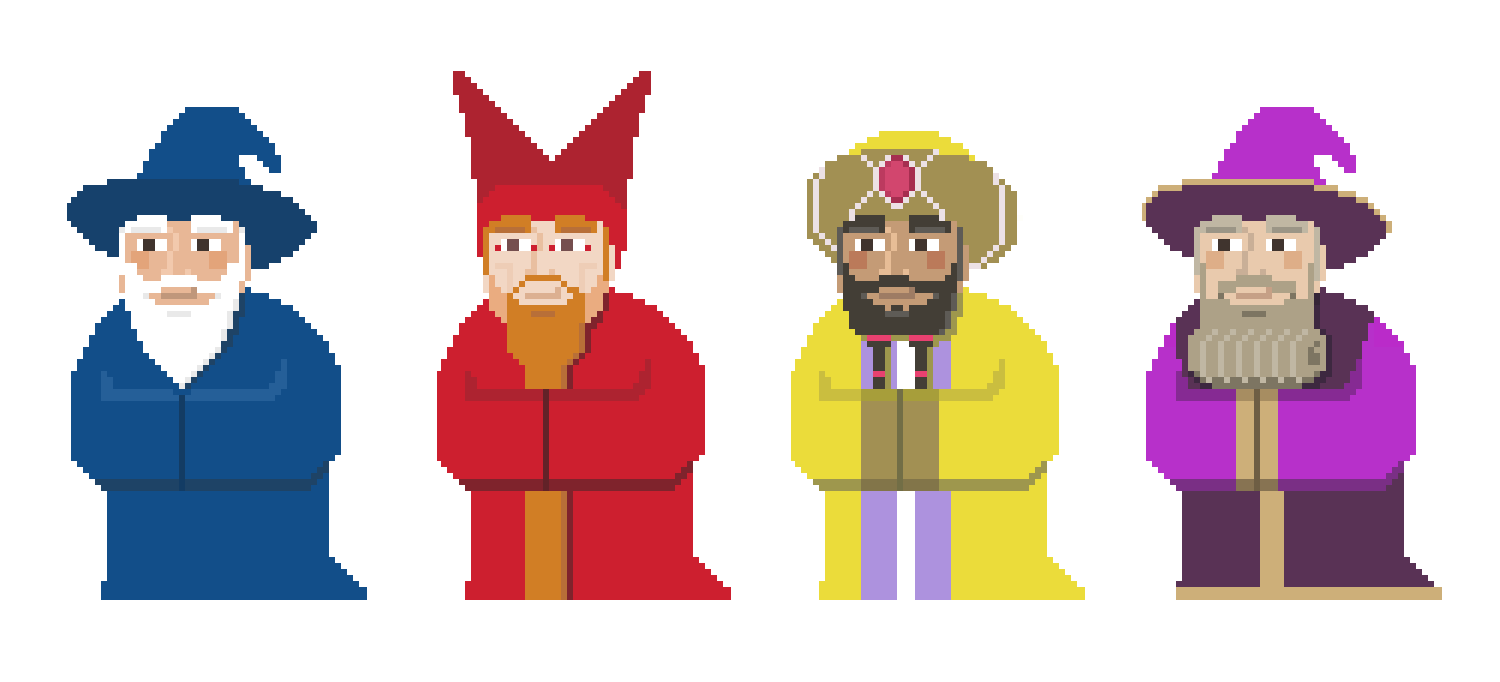
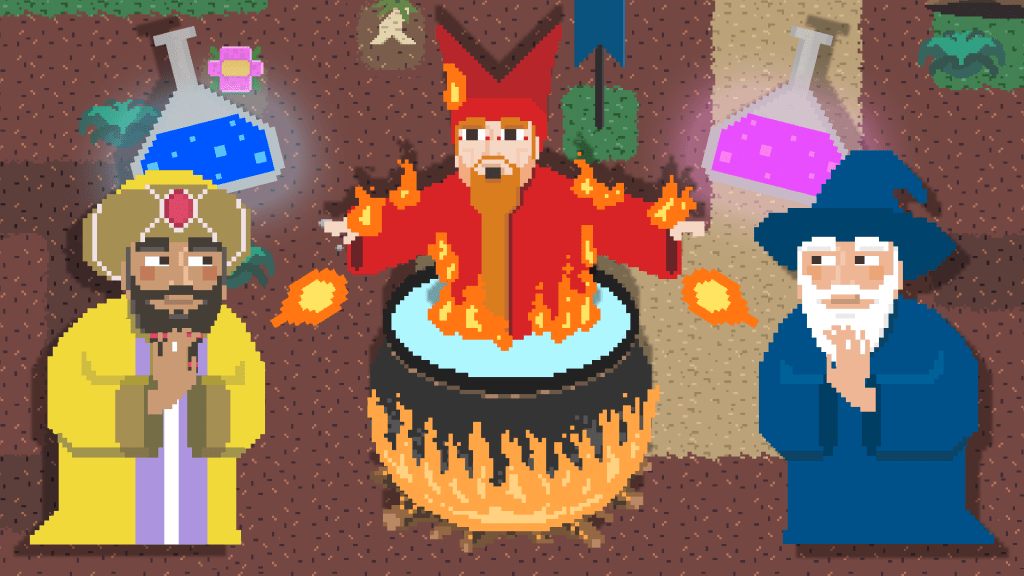
The idea I came up with straight away was simple. Four wizards in a forest collecting ingredients to make potions, each wizard has a cauldron and you must put the required items in the cauldron, heat it correctly and stir it until it’s mixed.
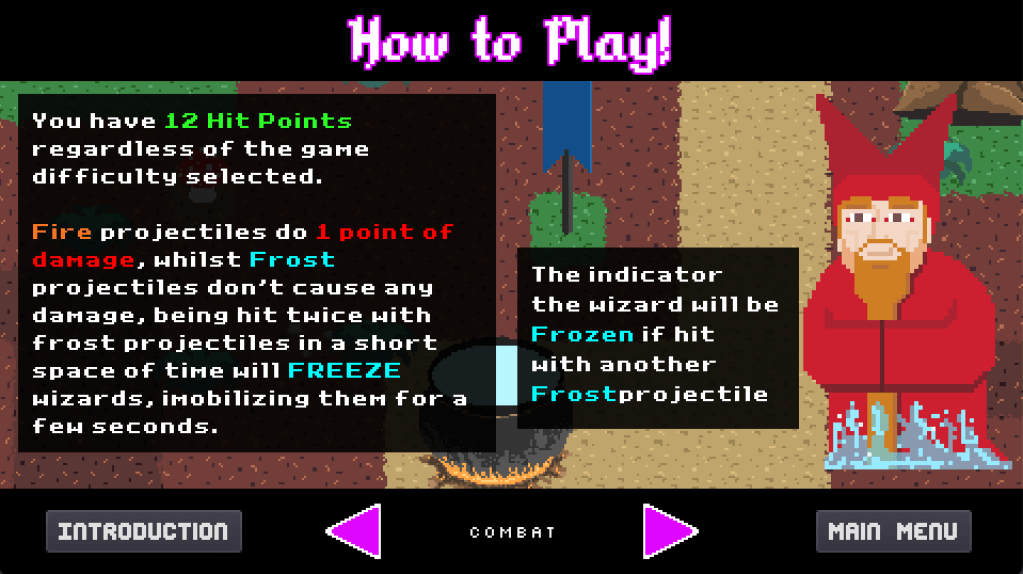
Each wizard has a fire spell and a frost spell to control temperature, and also protect themselves from each other. You can also freeze wizards using the frost spell, hitting them twice in quick succession.
The only idea that really changed was you’d be able to put other wizards in the cauldron. However it didn’t seem practical. Instead I made the skull and bones dropped when a wizard is killed as an ingredient for the recipe.
Taking the idea further
I did have other ideas like making the potions practical – so you can use them and get buffs etc. However this would make the game far more complicated than it needed to be. It would also struggle with balance and pace. I’d already gone over the month deadline, so I was considering the options on what was practical with the time left.
I’d also considered early on to include creatures for ingredients, like a newt for ‘eye of newt’, or a crow for a beak or feather. Which would have to be killed, or they flee if a spell enters their proximity. The issue with this were spells were flying all over the place and would make it much harder as they’d often be forced to flee. Also, having the computer controlled wizards go after these creatures that drop something they needed, it could slow the game down somewhat. As I found when I tried to implement snakes into the game that drop poison when killed. So the snakes were left out of the game and the poison was added to the two large plants.
Considerations
One feature that was important was putting unwanted ingredients into another wizards pot, which could taint their potion, or inadvertently help them if they needed this ingredient. I had hoped this would’ve been something the other Wizards would’ve done more, but I’d tried to make sure they only go after ingredients they needed, and picking up ingredients they don’t need would be by accident. But it will still happen occasionally. I am considering implementing a grudge system to specifically target another wizards pot with an unwanted ingredient if they were just killed by the other Wizard.
The other consideration when creating the identities of the wizards were possible options for how they act, or the spells they use. Just to give them more character, but not a real advantage. I must say, the purple wizard does tend to get stuck for a few seconds occasionally, so he’s probably dumber. The limitation of the spells is that one spell would have to be fire to heat the cauldron (potentially lightning as an alternative?), and the other spell would have to act as a cooling spell – so a liquid, poison or wind spell for example, rather than just a frost spell. With the freeze option being replaced with other conditions perhaps.
Audio
One thing that made the development of this game longer was trying to make the perfect sounds for the game. I used a couple of higher quality sounds for the footsteps and frost and freeze sound. The rest were made using an synthesizer tool called JSFXR, which uses techniques from the 70’s and 80’s when synth music and sound became a thing due to computers.
Criticisms
Whilst I feel like I could’ve taken this idea further, being aware that the game is quite challenging and even though the concept is simple, it does take a little time for players to grasp the game. The limitations in font size due to the pixels and low resolution (480×270) meant the “How to play” section ended up being 13 pages. It was whilst creating the how to play pages I realized the game is actually more complex than I thought.
Overall I’m happy with my first game. It’s almost surreal that I’ve actually finished it (now I’ve got more free time to fill after 5 months), as my friend Chris has been anticipating it since I started. He’s always held me accountable and listened to my complaints and problems. As well as testing it and has given me honest feedback.
Images and clips from the development of Wizard Brew
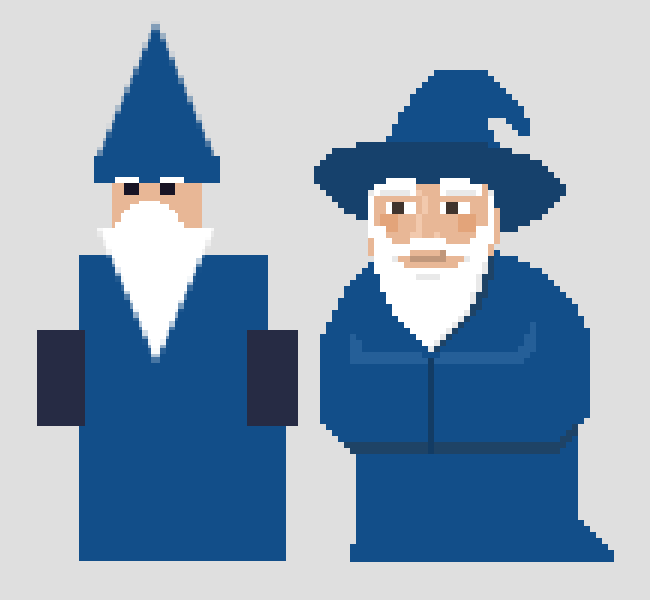
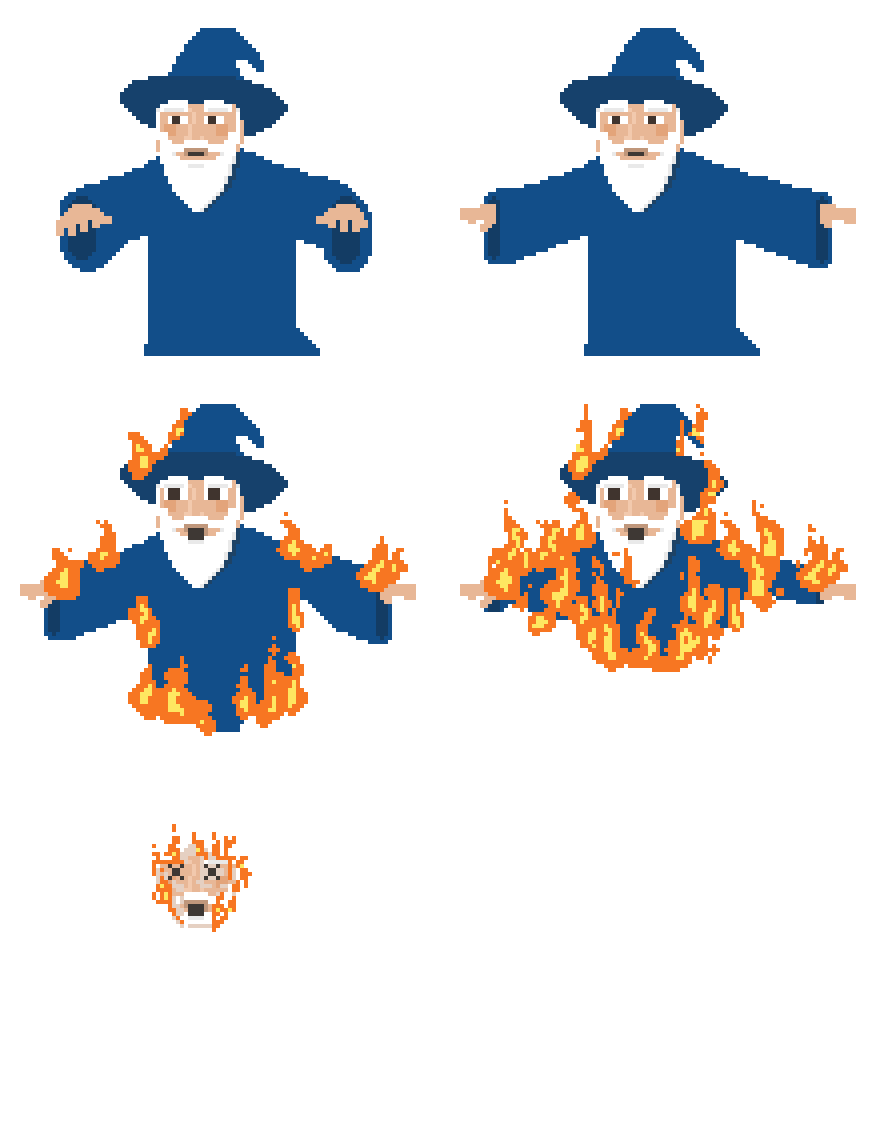
When creating the placeholder Wizard, I decided to just use basic shapes in hopes to keep it simple, with the game having a retro feel to it. Once the game was functioning I started on the artwork, the first redesign attempt wasn’t too different, but it just wasn’t right. I had tried to make it too dynamic. It missed the original – wide shape / blocky sillhouette of the original placeholder wizard. The redesign maintains the same shape sillhoutte and has a more definied features and shoulders to keep a nice shape to the characters.
To keep it simple, consistent and streamlined, all four Wizards use the same basis for their shape and animations, with the hats and beards being the main difference.
Other Artwork
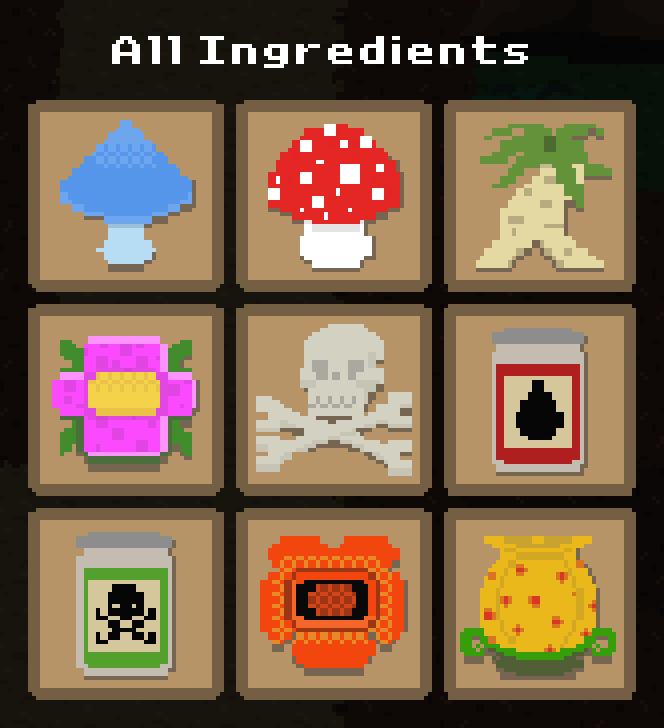
One of the issues working with Pixels is scaling, there’s really 2 sizes of icons in the game, one for recipe and one for inventory. Both using the in-game ingredient artwork, however they’re modified to work at the scale they’ll be displayed at.
Here’s icons from the How to Play page. You can see in places the artwork has a slight wonkyness and unevenness to it. The edges, the blood and poison labels for example due to it being scaled to fit on the page. The rest of the artwork was made to fit. But this is one of the few examples showing the issues of scaling, as it wasn’t displaying it’s original size.
Animations

You can play Wizard Brew by visiting it’s home on Newgrounds
(Requires a computer with mouse and keyboard)
 Stuart Herrington Illustration